Customer Guide
Growing Daylilies
“It is known as the daylily because each flower lasts only one day, but new buds continue to open throughout the summer.”
The Daylily
The daylily is an exceptionally easy and trouble-free plant, offering almost guaranteed success—even for beginner gardeners.
Its spectacular flowering period extends from June to the end of July, producing an abundance of new, short-lived flowers every day.
A vast colour palette, varied forms and elegant silhouettes…
There is something for every taste.
Welcome daylilies into your garden and let them reveal their full beauty.
Six main daylily families
An Infinite Range of Colours and Forms
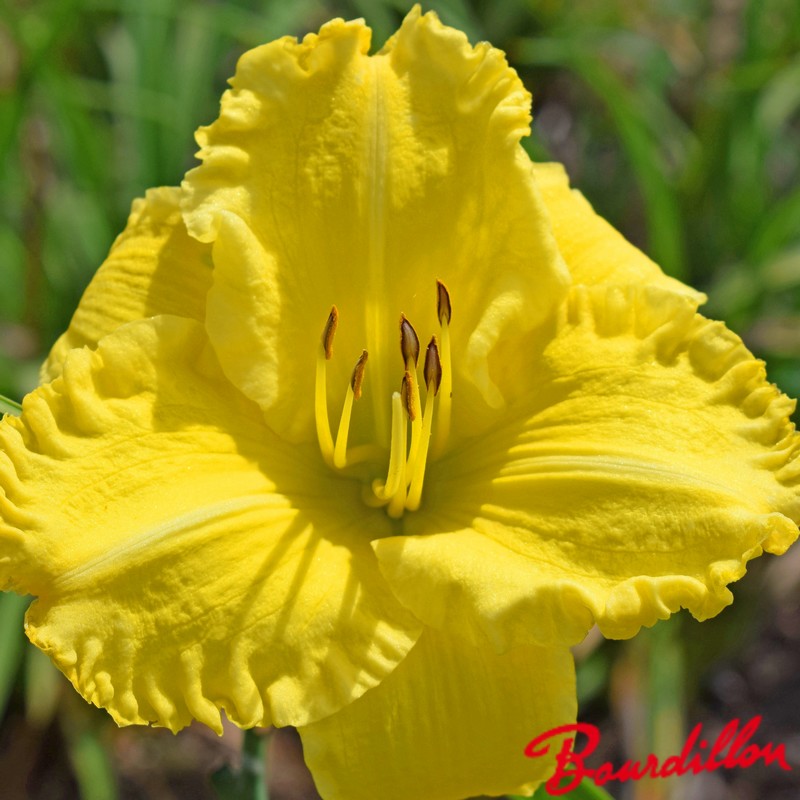
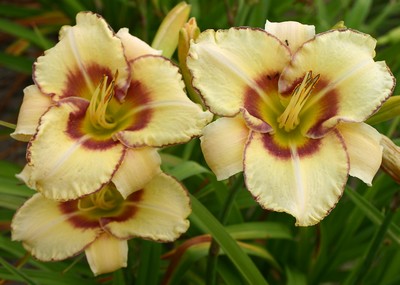
One of the daylily’s greatest qualities is its incredible diversity. From the softest to the most intense colours, and from classic to highly original forms, its variations are virtually endless.
Advice for Growing Healthy Daylilies
Planting
Daylilies thrive in places where many other perennials would struggle to grow. For optimal flowering:
- Plant your daylilies in full sun.
- Allow at least 70 cm around each plant so that it can develop fully.
- Mix the planting soil with well-decomposed organic matter.
Our plants flower from the first year.
Maintenance
An extremely hardy plant, the daylily requires little maintenance.
A few simple steps are sufficient:
- water regularly during the first month after planting while the root system becomes established;
- during summer, regular watering encourages more abundant flowering;
- apply a complete fertiliser in early spring to stimulate growth and flowering.
Division
Over time, daylilies form large clumps that can remain in place for around ten years without being divided.
If you wish to propagate them:
- ift the clump;
- divide it using a spade;
- make sure that each division retains several leaf fans.
This will encourage better establishment and earlier flowering.
Diseases
Good news: daylily diseases are rare.
It is a strong and resilient plant capable of thriving in most growing conditions without difficulty.